


Creating Inclusive Spaces for Autism


In recent years, there has been a growing recognition of the importance of creating inclusive spaces for individuals with autism spectrum disorder (ASD). Autism is a neurodevelopmental condition characterized by differences in social communication, sensory processing, and behavior (American Psychiatric Association, 2013). With approximately 1 in 54 children diagnosed with ASD in the United States (Maenner et al., 2020), it is essential to design environments that accommodate their unique needs and promote their participation in society. This article explores practical strategies for fostering inclusivity in schools, workplaces, and public spaces.
Understanding Autism and Inclusion
Inclusion goes beyond physical accessibility; it involves creating environments where individuals with autism feel valued, understood, and supported. For many autistic individuals, sensory sensitivities, such as hypersensitivity to light, sound, or touch, can make traditional spaces overwhelming (Robertson & Simmons, 2015). Additionally, social communication challenges may lead to feelings of isolation or exclusion. Inclusive spaces address these barriers by incorporating universal design principles and fostering a culture of acceptance.
Inclusive Design in Schools
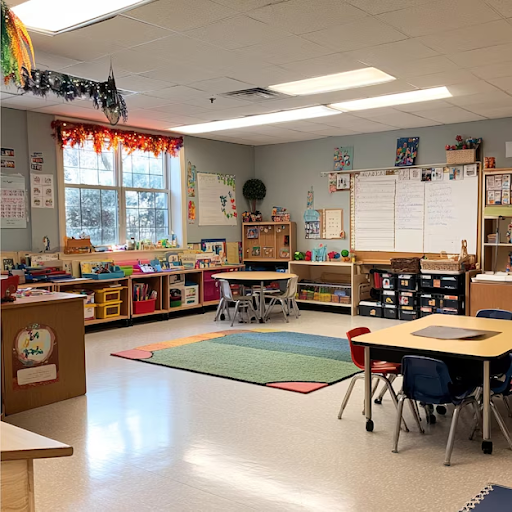
Schools play a critical role in shaping the experiences of autistic children. Inclusive classrooms prioritize accommodations such as sensory-friendly lighting, noise-reducing headphones, and quiet zones where students can retreat when feeling overwhelmed. Teachers can also implement visual supports, like schedules and social stories, to help students navigate daily routines and social interactions. Furthermore, peer education programs can promote understanding and empathy among neurotypical students, reducing stigma and fostering a sense of community. Research highlights the benefits of inclusive education for autistic students, including improved academic outcomes and social skills (Hehir et al., 2016). However, achieving true inclusion requires ongoing training for educators and collaboration with families to meet individual needs.
Workplace Inclusion
In the workplace, creating inclusive spaces for autistic adults involves recognizing their strengths and providing appropriate support. Many autistic individuals possess exceptional attention to detail, pattern recognition, and problem-solving skills, making them valuable contributors to diverse industries (Austin & Pisano, 2017). Employers can foster inclusivity by offering flexible work arrangements, clear communication, and sensory-friendly workspaces.
Programs like Microsoft’s Autism Hiring Program and SAP’s Autism at Work initiative demonstrate the potential of neurodiversity in the workplace. These programs provide tailored onboarding processes, mentorship, and accommodations, enabling autistic employees to thrive. By embracing neurodiversity, organizations not only enhance their talent pool but also promote a culture of inclusion and innovation (Austin & Pisano, 2017).
Inclusive Public Spaces
Public spaces like parks, museums, and transportation systems should also be designed with autism in mind. Sensory-friendly events, which feature reduced noise levels and designated quiet areas, are becoming increasingly common in cultural institutions. For example, many museums now offer “autism-friendly hours” to ensure families enjoy exhibits without sensory overload (Kapp, 2019). Transportation systems can also adopt inclusive practices, such as providing clear signage and training staff to assist individuals with communication difficulties. Singapore has such an initiative, where individuals can access a sensory tool kit at bus interchanges or train stations (Martens, 2025). These small but impactful changes can make public spaces more accessible and welcoming for autistic individuals and their families.
The Role of Community and Advocacy
Creating inclusive spaces requires collective effort. Advocacy organizations, such as the Autism Self Advocacy Network (ASAN), play a vital role in raising awareness and promoting policies that support inclusion. Community members can contribute by educating themselves about autism, challenging stereotypes, and advocating for inclusive practices in their local areas.
Conclusion
Inclusion is not a one-size-fits-all approach; it requires thoughtful design, empathy, and collaboration. By creating spaces that accommodate the unique needs of autistic individuals, we can foster a society where everyone has the opportunity to thrive. As we continue to learn from the experiences of autistic individuals, it is crucial to prioritize their voices and perspectives in the journey toward inclusivity.
Written by: Natasha
References
Kampus Production. (n.d.). People having a meeting at the office [Photograph]. Pexels. https://www.pexels.com/photo/people-having-a-meeting-at-the-office-6248968/
American Psychiatric Association. (2013). Diagnostic and statistical manual of mental disorders (5th ed.). Arlington, VA: American Psychiatric Publishing.
Ashburner, J., Ziviani, J., & Rodger, S. (2010). Surviving in the mainstream: Capacity of children with autism spectrum disorders to perform academically and regulate their emotions and behavior at school. Research in Autism Spectrum Disorders, 4(1), 18-27. https://doi.org/10.1016/j.rasd.2009.07.002
Austin, R. D., & Pisano, G. P. (2017). Neurodiversity as a competitive advantage. Harvard Business Review, 95(3), 96-103.
Hehir, T., Grindal, T., Freeman, B., Lamoreau, R., Borquaye, Y., & Burke, S. (2016). A summary of the evidence on inclusive education. Abt Associates.
Kapp, S. K. (2019). Autism and inclusive practices: A guide for museums and cultural institutions. Routledge.
Maenner, M. J., Shaw, K. A., Baio, J., et al. (2020). Prevalence of autism spectrum disorder among children aged 8 years—Autism and Developmental Disabilities Monitoring Network, 11 sites, United States, 2016. Morbidity and Mortality Weekly Report, 69(4), 1-12. https://doi.org/10.15585/mmwr.ss6904a1
Martens, H. (2025) S'pore public transport operators & LTA offering earmuffs, fidget tools to passengers with autism to cope with sensory challenges. https://mothership.sg/2025/02/sbs-lta-sensory-tool-kits-passengers/
Robertson, A. E., & Simmons, D. R. (2015). The sensory experiences of adults with autism spectrum disorder: A qualitative analysis. Perception, 44(5), 569-586. https://doi.org/10.1068/p7833


Comments