


Classroom Management Strategies for Children with Autism

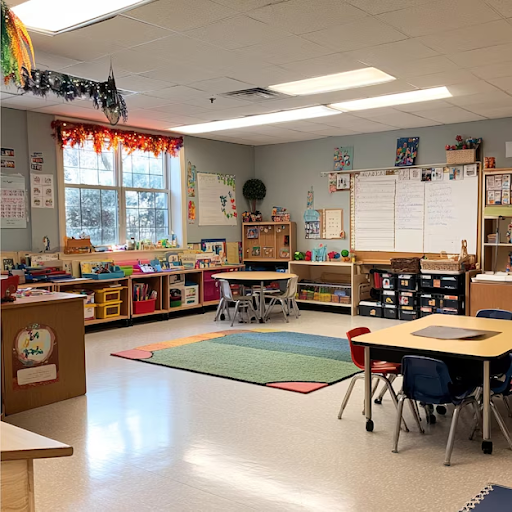
Effectively managing a classroom with children on the autism spectrum involves addressing their specific needs through structured and supportive strategies. These approaches not only enhance learning but also create an inclusive environment where all students can thrive.
Establishing Predictable Routines
Predictability is crucial for children with Autism Spectrum Disorder (ASD) as it reduces anxiety and helps them feel secure. Structured daily schedules with visual aids, such as illustrated timetables or "first-then" boards, enable students to anticipate activities and transitions (CDC, 2024; Wang & Spillane, 2016). For example, a morning routine could include visual cues for activities like unpacking bags, circle time and meal time. Consistent implementation of these routines ensures that changes are introduced gradually and with preparation.
Leveraging Visual Support
Visual support is invaluable for children with autism, who often process information visually more effectively than verbally. These tools include diagrams, step-by-step task cards, and labeled classroom zones. The TEACCH (Treatment and Education of Autistic and Communication-Handicapped Children) approach emphasizes visual aids to enhance understanding and independence (CDC, 2024). For instance, color-coded bins for supplies and visual instructions for activities can simplify complex tasks and reduce frustration.
Positive Behavior Reinforcement
Positive reinforcement encourages desirable behaviors by rewarding students for their efforts and achievements. This might involve tangible rewards like stickers or tokens, or intangible ones such as praise and privileges (Parsonson, 2012). Token systems are particularly effective in maintaining motivation. For example, a child could earn points for completing tasks or following rules, which they can exchange for a preferred activity or item. Reinforcement should be immediate and specific, such as, “You did a great job waiting for your turn!”
Incorporating Sensory Tools
Sensory sensitivities, such as to light, sound, or touch, are common in children with autism. A sensory-friendly classroom setup can mitigate these challenges. Noise-canceling headphones, weighted blankets, or sensory breaks provide calming solutions (CDC, 2024; Wang & Spillane, 2016). Additionally, incorporating sensory tools such as textured objects or fidget toys helps students self-regulate during stressful moments. Creating quiet zones within the classroom offers a retreat for students needing to decompress.
Teaching Social Skills
Children with autism often find social interactions challenging. Programs like Social Stories™, which outline social situations and appropriate responses, are highly effective for teaching social behaviors (Gray, 2010). Peer-mediated strategies, where neurotypical classmates model positive social interactions, encourage learning through observation. Structured social skills groups provide a safe space to practice skills like turn-taking, initiating conversations, and understanding non-verbal cues.
Individualized Instruction and Flexibility
Each child with autism is unique, necessitating personalized instructional approaches. Breaking tasks into smaller, manageable steps can help students focus and achieve success incrementally (Hemmings & Woodcock, 2011). Incorporating the child’s interests into lessons, such as using a favorite toy to teach math concepts, can increase engagement and comprehension. Flexibility in teaching methods, including alternative assessment formats, ensures accessibility and equity.
Clear and Consistent Rules
Clear and consistently enforced rules set expectations for behavior and promote a structured environment. Visual reminders of rules, such as illustrated posters, reinforce acceptable behaviors. For example, a “Classroom Rules” chart might depict icons for actions like raising hands, sharing, or using quiet voices. Consistent consequences for rule violations, paired with immediate feedback, reinforce boundaries while maintaining fairness and understanding (Sieberer-Nagler, 2015).
Conclusion
By implementing these seven strategies, teachers can create a classroom environment that supports both academic achievement and personal development for children with autism. Each approach fosters a sense of security, inclusion, and mutual respect, empowering students to reach their full potential.
Written by: Micole
References
Centers for Disease Control and Prevention. (2024). Autism Spectrum Disorder Treatments.
Gray, C. (2010). Social Stories for Autism.
Hemmings, B., & Woodcock, S. (2011). Classroom Management for Students with ASD.
Parsonson, B. S. (2012). Classroom Management Strategies for Autism Support.
Sieberer-Nagler, K. (2015). Effective classroom-management & positive teaching. English Language Teaching, 9(1), 163. https://doi.org/10.5539/elt.v9n1p163)
Wang, P., & Spillane, A. (2016). Strategies for Teaching Children with Autism in Inclusive Classrooms.


Comments